A sample bid, start to finish
A made-up three-person landscaping crew answers a typical municipal RFQ for park mowing: reading it, the site visit, pricing, the forms and submission.
In short
This walk-through follows a made-up three-person landscaping crew bidding a typical municipal request for quotations for park mowing. They read the whole package first, list the mandatory items, visit every site, price from measured hours, fill every form, acknowledge each addendum and submit a day early. The example numbers are invented to show the method.
Reading about bidding only goes so far. Here's one bid followed from the alert to the submission. The crew, the town and every number are made up, but the steps are the ones that win and lose real bids.
The opportunity
A three-person landscaping crew gets an alert. A mid-sized town has posted a request for quotations for mowing and trimming at 14 parks, from April to October. The term is two years, with an option for a third. Closing is in 16 days. There's a mandatory site meeting next Tuesday.
Day 1: read the whole package
The owner downloads everything and reads it once, start to finish, before thinking about price. Then she makes a list:
- Mandatory items: attend the site meeting, WorkSafeBC clearance, $2 million liability insurance, signed price form, signed acknowledgement of addenda.
- Scope: mow every 7 to 10 days, trim edges and around fixtures, blow clippings off paths, report damage.
- Evaluation: lowest compliant price.
- Questions deadline: five days before closing.
Day 6: the site meeting
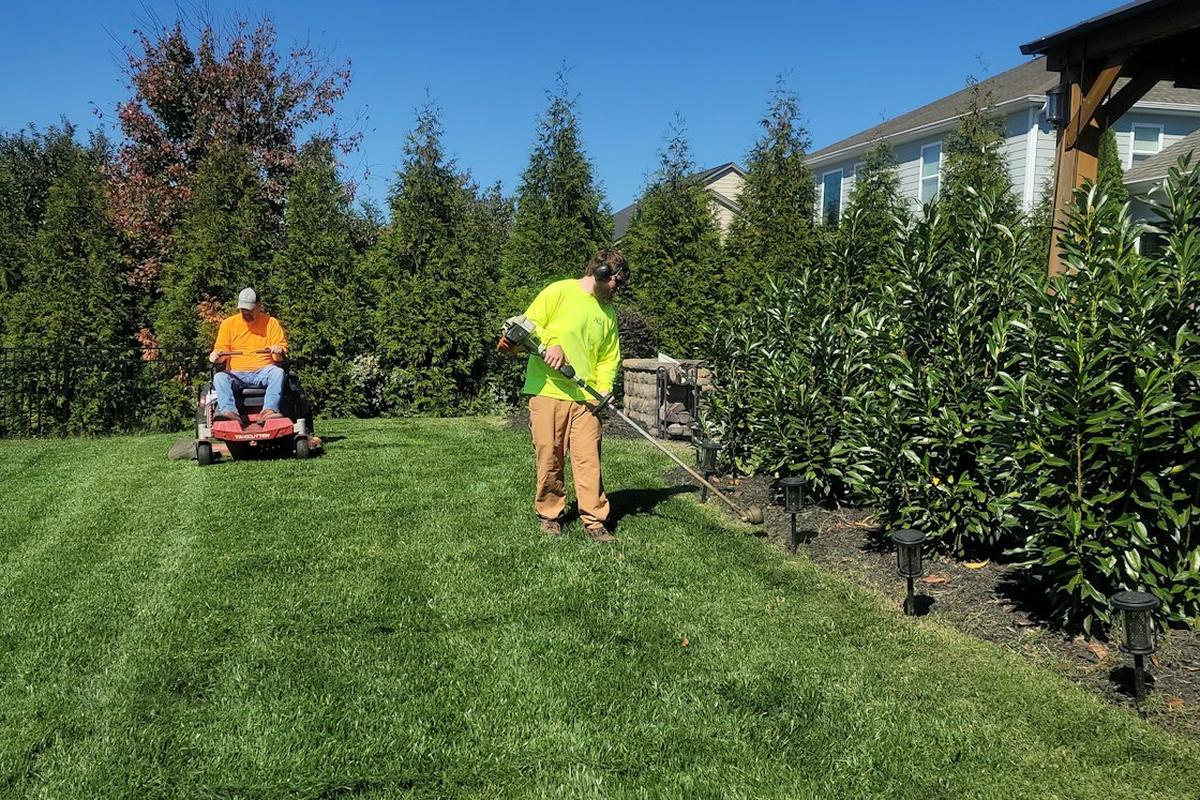
She goes to the meeting and signs the attendance sheet. That afternoon she drives all 14 parks and times the route. She notes what the drawings don't show: a steep bank at one park, a new playground at another, and many trees to trim around at a third.
Day 7: questions
She sends two questions in writing: is the steep bank in scope, and who removes litter before mowing? The answers come back in an addendum a few days later: the bank is in, litter is the town's job.
Day 9: pricing
She prices from hours, not guesses:
| Item | How she worked it out |
|---|---|
| Mowing and trimming time per visit | Measured areas, at her crew's real production rates |
| Travel between parks | The timed route, per visit |
| Visits per season | 24, from the frequency in the scope |
| Equipment | Mower and trimmer costs per hour, fuel and wear |
| Overhead and margin | Insurance, admin, the truck, and profit |
She adds a small allowance in year two for wage and fuel increases, because the price form has one number for both years.
Day 13: forms and checks
She fills every line of the price form, signs it, and attaches the insurance certificate and clearance letter. She acknowledges the addendum on the form provided. Then her partner reads the package and the bid side by side, item by item, looking for anything missed.
Day 15: submit early
She submits a day early through the town's e-bidding portal and saves the confirmation. Portals can be slow on closing day, and a late bid is rejected.
After closing
If she wins, she meets the town's supervisor before the first visit and agrees how to report damage and extra work. If she loses, she asks for a debrief to learn where her price sat. Either way, the next bid is faster: half of this one goes straight into her bid library.
Where to go next
Read how to read a tender, mandatory site meetings and how to price a multi-year service contract.
What to do next
Sources
Rules and forms change. Check the official page before you rely on a detail here.